No end date in sight
A Databricks-to-Fabric (or Fabric-to-Databricks) migration has been "in progress" for months with no real completion date.
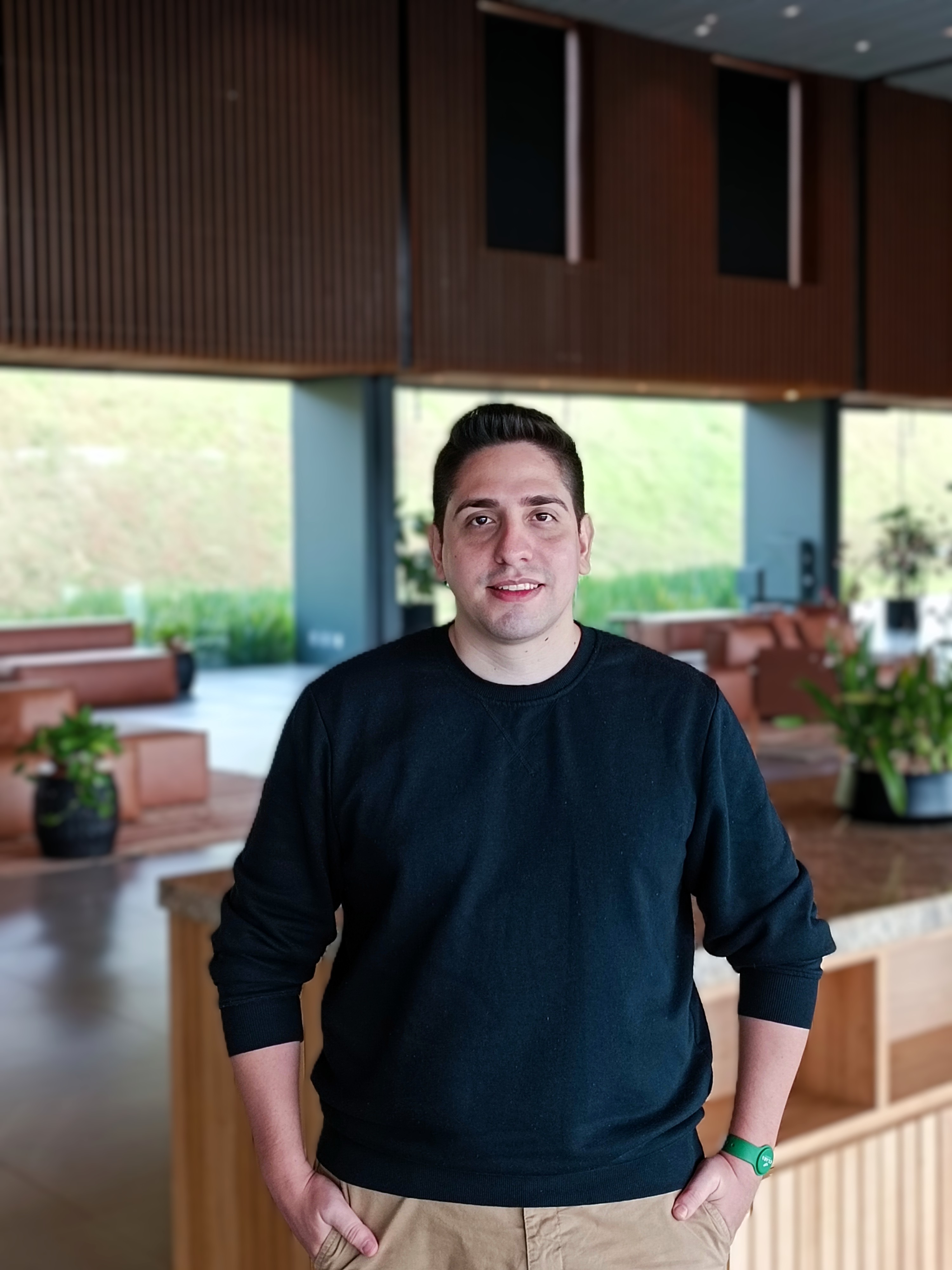
Not a staffing pool. Not a headcount request. When a Databricks or Microsoft Fabric migration is stuck, over budget, or nobody trusts the dashboards anymore, I step in as the accountable senior engineer — timezone-friendly overlap with US/EU teams, direct communication, no account-management layer between you and the work.
A Databricks-to-Fabric (or Fabric-to-Databricks) migration has been "in progress" for months with no real completion date.
Capacity costs (F64 or equivalent) have grown faster than platform adoption.
A previous vendor or internal team delivered something, but nobody can confidently explain the current state.
The business side has quietly stopped trusting the dashboards.
If two or more of these are true, the gap isn't technical knowledge on your team's side — it's a lack of one person who owns the problem end-to-end and has done this exact rescue before.
Nearshore staffing solves an availability problem — you get a person or a team, on your timezone, at a lower cost than local hire. That's real, but it doesn't solve a trust problem. A stalled or broken migration isn't a capacity gap you fill with more hands; it's a judgment gap that needs one senior person accountable for the outcome.
I review pipelines, capacity cost, semantic modeling, and governance, and return a clear-eyed written assessment: what's salvageable, what needs rebuilding, and a realistic estimate.
Delivery: written diagnostic · 1–2 weeksNot everything needs a rebuild. I sequence the work by what most affects cost and business trust first.
Regular checkpoints, living documentation, no black box.
Your team ends up able to run the platform independently, or we continue working together — your call.
Full write-ups are currently published in Portuguese only — English versions are on the roadmap. Reach out and I'll walk you through either case directly.
Timezone overlap with US East/West and EU business hours, fluent English, available for live meetings. I work as a registered Brazilian company — you're contracting a real business, not an individual freelancer with no legal backing, while still working directly with the person who does the work.
Before any proposal, I need to understand the actual state of your platform. The first conversation is diagnostic, not a pitch.